If you live in New Jersey, your roof sees everything the sky can throw at it. Nor’easters, salt air along the Shore, hot August sun over the Turnpike, and wet springs that find every weak seam. A roof that performs in this state is never an accident. It is the product of sound materials, correct installation, and a contractor who knows local codes and microclimates from Cape May to Mahwah.
I have walked thousands of roofs across New Jersey. Cape Cods with original plank decking in Westfield, flat EPDM in Hoboken, cedar in Montclair now changing to composite, and every kind of asphalt shingle from economy three tabs to heavyweight designer lines. What separates a smooth project from a headache is simple: asking the right questions before you sign. Here are ten that matter, and what you should expect to hear when you ask them.
Why these ten questions carry weight in New Jersey
Our state’s rules and weather are specific. Most municipalities require a building permit for roof replacement, not just for structural changes. The New Jersey edition of the residential code also calls for an ice barrier at the eaves on sloped roofs, which contractors usually satisfy with self‑adhered ice and water shield extending at least 24 inches inside the warm wall line. Wind ratings become critical near the coast, where gusts can push past 100 mph in a bad storm. Ventilation requirements matter in older homes with small or blocked soffits. And debris control takes real planning on tight lots.
A good contractor leans into those realities and explains them in plain language. A poor one dodges them or overpromises. Use these questions to tell the difference.
Question One: Are you properly registered and insured to work on my home?
In New Jersey, roofers are not licensed in the same way as electricians or plumbers, but they must be registered as Home Improvement Contractors with the New Jersey Division of Consumer Affairs. Ask for their HIC registration number and verify it on the state website. That registration is a baseline, not a seal of quality, but it does establish accountability.
Insurance is nonnegotiable. You want two active policies: general liability and workers’ compensation. General liability protects your property if something goes wrong during the job. Workers’ compensation protects you if a worker is injured at your home. Ask for certificates made out to you as the certificate holder, with coverage limits that match what they say. If they hesitate, move on.
Many towns require the contractor to be named on the permit. That extra step protects you from unpermitted work. In places like Paramus and Princeton, permit checks are routine, and inspectors will flag a roof done without one.
Question Two: Who exactly will be on my roof, and who supervises them?
The phrase roofing Look at more info contractor near me can pull up a dozen companies with trucks and glossy websites. Some have in‑house crews, others subcontract installation. Neither model is automatically better, but you need to know who is swinging hammers.
Ask if your project will be performed by company employees, long‑term subs, or a mix. Ask how many people will be on site and whether an English‑speaking foreman will be there from start through cleanup. A foreman who can communicate clearly and make decisions is worth more than any shingle upgrade. If a salesperson shows up to sell you a roof, but the company cannot name the crew lead for your address, expect a bumpy ride.
I once managed a roof repair in Summit after a competitor installed a new roof but never reconnected two bath fans. Warm, wet air pumped into the attic, mold bloomed in a month, and everyone blamed materials. The real issue was supervision. A crew chief who checks penetrations, vent terminations, and flashing connections avoids that kind of callback.
Question Three: What roof system are you proposing and why?
Shingles are one component of a system. In New Jersey’s climate, you should hear a thoughtful explanation of how the parts work together:
- Underlayment: Contractors will choose between ASTM‑rated felt or quality synthetic underlayment. Synthetic products resist wrinkling in humidity and often add better walkability for the crew, which helps avoid scuffs on hot days. Ice and water shield: At minimum along eaves per code, often in valleys and around penetrations. In ice‑prone zones or shaded north pitches, two full rows at the eaves are common. Drip edge and flashing metals: Aluminum or steel with a kickout at roof‑to‑wall transitions. Copper is a premium choice around chimneys in historic districts. Shingles: Architectural asphalt dominates in New Jersey. Ask about the wind rating, especially near the Shore. Some lines carry enhanced warranties when installed with a matched underlayment, starter, and ridge cap from the same manufacturer. Ventilation: Ridge vent paired with adequate intake at soffits is typical. Without balanced intake, a ridge vent does little.
If a contractor talks only about shingle color, they are selling a product, not a roof system. For flat sections common on row homes or additions, you want a clear choice among EPDM, TPO, or modified bitumen, along with details on insulation, tapered crickets, and edge metal.
Question Four: What does your proposal include and exclude, in writing?
A complete proposal spells out the scope so there are no surprises. This is where you separate careful planners from fast talkers. Look for line items that cover tear‑off down to the deck, any deck repair rates by the sheet or linear foot, ice and water shield locations, valley treatment, chimney and wall flashing approach, skylight replacement or reuse, ridge vent, and ventilation corrections. Expect to see brand and model names for major components.
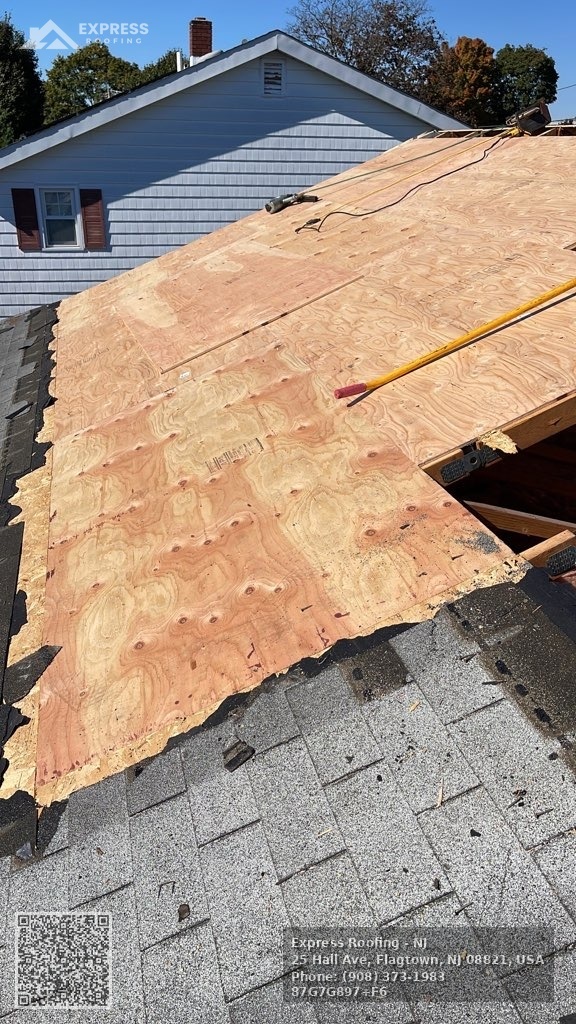
Exclusions matter just as much. If the quote does not include new gutters, say so. If the chimney requires masonry work by another trade, note it. If you have plank decking, a smart bid will flag the possibility of gaps that need to be covered with plywood before shingling. Actuals beat assumptions when it comes to cost.
Dumpster placement, property protection, daily cleanup, and final magnet sweep should be baked into the contract, not left to chance. If your driveway is tight, plan logistics early so a 20‑yard container does not block your car for a week.
Question Five: How do you handle surprises once the shingles come off?
No one sees everything from the ground. Once the roof is stripped, the crew might find spongy sheathing, a chimney saddle that funnels water into brick, or double layers of old roofing masked by a previous overlay. You want a clear protocol for change orders: how they are documented, priced, and approved before work continues.
Ask for typical rates. In much of New Jersey, replacing 1 sheet of 1⁄2 inch CDX plywood runs within a narrow band, then rises if lumber prices spike. Removing hidden layers costs more in debris and labor. A candid contractor warns you ahead of time, shows photos the day of, and keeps the project moving without holding you hostage. If they will not discuss change orders up front, they are setting the table for a fight.
Question Six: What warranties apply, and who stands behind them?
Two warranties matter. The manufacturer’s material warranty and the contractor’s workmanship warranty. Material coverage has become generous in language, with many architectural shingles advertised as lifetime. Read the fine print. Most cover manufacturing defects, not installation errors or storm damage, and many require a full system of branded components plus registered installation to elevate coverage.
Workmanship warranties are where contractors show their confidence. Ten years is common for a quality outfit. Some offer longer terms, but the real value lies in whether they actually answer the phone in year eight. Ask for sample warranty language and how service calls are handled. If you plan to sell your home within a few years, ask whether warranties are transferable and what steps keep them valid.
Question Seven: Can you show recent local jobs and references?
Roofing companies in New Jersey should be able to give you addresses in your town or the next one over. Drive by a couple of completed projects. Look at straightness along the eaves, neat ridge caps, clean flashing lines, and whether the property looks respected. If the contractor hems and haws or points only to far away jobs, that is a tell.
References matter more than perfect online scores. Ask for a homeowner who had a roof repair rather than a full replacement, and one who had the crew address decking rot or a chimney cricket. Listen for how the company handled surprises and how quickly they finished. A pattern of responsiveness means far more than a handful of five‑star blurbs.
Question Eight: What is your ventilation and moisture strategy for my house?
Ventilation in our climate is not optional. Without it, you risk ice dams in winter and cooked shingles in summer. The general rule is 1 square foot of net free vent area for every 150 square feet of attic floor, or 1:300 with a balanced system and a vapor barrier. Balanced Price of new roof means intake and exhaust are in the same ballpark, which keeps air moving rather than pulling conditioned air out of the house.
Older colonials and capes in New Jersey often have blocked or nonexistent soffit vents. A thoughtful contractor will pop a few soffit bays to check for insulation dams, install baffles, and confirm that new ridge vent has adequate intake to feed it. Gable vents and powered fans complicate airflow if combined with ridge vents. You want a plan, not a guess.
Bathroom and kitchen exhausts should terminate through the roof or a wall cap, never into the attic. This is where many roof repair calls start. I once traced ceiling stains in a Maplewood bungalow to a bath fan that dumped moist air into a cold eave. The shingles were fine. Venting solved it.
Question Nine: How will you protect my property and neighbors?
Roofs are replaced in the real world, not on a showroom floor. In tight Montclair lots with mature landscaping, tarps and smart ladder placement count. On the Shore, wind can turn debris into a problem for your neighbor. Clear protocols protect everyone.
Expect to hear about pre‑job walk‑throughs to note fragile plants, furniture that needs moving, and areas requiring plywood protection. Crews should use dump trailers or dumpsters positioned to minimize driveway damage, with boards if needed. No contractor can promise zero nails on the ground, but daily magnetic sweeps reduce risk to bare feet and tires. On multi‑day jobs, ask how the roof will be left watertight overnight, and how forecasts change the schedule. A company that pushes through with storms looming is gambling with your ceilings.
Question Ten: What will this cost, how are payments structured, and what options do I have?
No two roofs price the same, and anyone who quotes sight unseen is guessing. That said, it helps to understand the range for a typical New Jersey home. For a straightforward asphalt shingle roof on a single family house, the price of new roof projects often land between 450 and 900 dollars per 100 square feet for mainstream architectural shingles, installed, when access is easy and the deck is sound. Designer architectural or high wind packages can push that into the 900 to 1,400 dollar range per 100 square feet. Complex roofs with steep pitches, many facets, multiple stories, or limited staging space climb from there.
Flat roofs common on row homes and additions price differently. EPDM and TPO in our market often run 8 to 14 dollars per square foot depending on insulation, tapered work, and edge metal. Standing seam metal is a premium choice and usually pencils at 11 to 19 dollars per square foot with trim complexity driving the top end.
If you work backward to a total, a 2,000 square foot roof surface with a mid‑range asphalt system, proper ice shield, new ridge vent, and a few sheets of new sheathing often lands in the 10,000 to 20,000 dollar band in many New Jersey towns, with coastal or high cost labor pockets trending higher. New roof cost also reflects timing. Storm surges in demand tighten supply and raise prices. Winter work can be cheaper, but adhesives and seal strips need temperatures and sun to set.
Payment schedules are a tell. Standard practice is a modest deposit to secure materials and the calendar, a progress payment after tear‑off when you can see the deck and change orders are set, and a final payment upon completion and cleanup. Avoid large upfront payments. If financing is on the table, compare contractor‑offered plans with a credit union or HELOC to see which yields the best total cost.
When a repair beats a replacement
Not every roof needs a full tear‑off. A good roof repairman near me search should turn up contractors willing to fix, not just replace. Common repair candidates in our region include chimney flashing failures, valley leaks where leaves and debris trap water, nail pops telegraphing through a hot south slope, and minor wind damage where shingles can be lifted and re‑sealed or replaced piece by piece.
Repairs make sense when the shingle field still has life left, typically when the roof is under 12 to 15 years for mainstream asphalt and has not suffered widespread granule loss. Isolated leaks around a skylight or vent stack often respond well to careful re‑flashing. On the other hand, if you have curling edges, widespread blistering, or two layers of shingles with chronic heat buildup, roof replacement is money better spent than chasing leaks.
Insurance plays a role. After a wind event, some homeowners qualify for coverage of wind‑torn shingles or impact damage. A seasoned contractor documents the damage with photos, differentiates between storm impact and age, and explains which path is reasonable. Beware of anyone who promises a free roof just for signing a contingency agreement. Adjusters in New Jersey know the difference.
What documents should I collect before work starts
- Copy of the contractor’s New Jersey HIC registration and contact info Certificates of insurance for general liability and workers’ compensation A detailed, signed proposal with materials, scope, and exclusions noted Municipal permit or evidence it has been applied for Written warranty terms for both materials and workmanship
Those five papers prevent most disputes. Keep them together with photos taken before and during the job. If you ever sell, that packet is gold for a buyer and their home inspector.
How to judge material choices for New Jersey weather
Shingle brands and colors can feel like a wall of options. Focus on performance first, looks second. Ask for the specific wind rating and whether enhanced nailing patterns are required to achieve it. Along the Shore or on open lots, paying a bit more for higher wind resistance can prevent repair calls after the next nor’easter. Granule composition affects algae resistance. If you have a shady lot in Ramsey or a north‑facing slope in Basking Ridge, shingles with algae‑resistant copper‑infused granules keep the roof looking new longer.
Underlayment is not just a commodity. Quality synthetics resist UV better during install delays and provide a safer walking surface for crews. Ice and water shield types differ too. Some adhere more aggressively and seal better around fasteners, which matters under metal valleys or low‑slope transitions. Flashing metals should match the environment. In salt air near Long Beach Island, stainless or heavier gauge aluminum beats thin painted coil stock that chalks in a few seasons.
Timing the project and protecting your budget
Roofing season in New Jersey runs all year with the right crew, but spring through early fall is prime. Hot days speed up seal strips on shingles, and longer daylight means crews can finish in fewer days. That said, shoulder season work can be advantageous. Good contractors manage adhesives and cold with sun exposure, hand sealing, and staggered starts, but they should tell you exactly how they adapt installation to 40 degree mornings.
If you are comparing estimates on the price of new roof, align the scopes. A cheaper number that excludes chimney re‑flashing or ventilation work is not the same job. Look for per‑sheet sheathing pricing, rates for replacing rotted fascia, and any fees for plywood over existing plank decking. Ask whether starters and cap shingles are manufacturer matched, which often affects warranty eligibility.
A brief story from the field
A family in Metuchen called after seeing water stains in a bedroom corner. Their roof was ten years old, architectural shingles in good shape, and they were bracing for a full replacement. From the ground I could see a short return where a lower roof met a sidewall under a second story, classic water trap. The original crew had run step flashing but skipped a kickout at the bottom. Water slipped behind the siding in heavy rain and surfaced inside.
We installed a proper kickout, re‑flashed the lower course, pulled and reset two courses of siding, and the leak never came back. The entire repair, including a new section of ice and water shield, cost less than one percent of a new roof. The lesson was not that replacements are bad, but that roof repair, done carefully, has a place. A conscientious contractor explains both paths, then lets you decide.
Common pitfalls and how to avoid them
Big box ads and door knockers spike after storms in New Jersey. Some are legitimate contractors filling their pipeline. Others vanish after deposits are paid. Verify the HIC registration, check insurance, and insist on a permit where your town requires one. Do not be rushed into signing a contingency that hands over your insurance claim without explaining scope and pricing.
Avoid stacking layers. New Jersey allows overlaying in some municipalities, but the savings are short lived. Overlays trap heat, hide decking rot, and complicate future repairs. Tear‑off to the deck is cleaner, lets you correct ventilation, and resets your roof for a full life.
Finally, understand that perfect is not the goal, predictable is. Even the best crews pull off a shingle now and then or miss a stray nail in the lawn. What matters is how quickly they respond and what systems they have to minimize issues in the first place.
The short list of cost drivers you should weigh
- Roof complexity and pitch, which drive labor time and safety requirements Access for dumpsters, material loading, and staging Material tier, from baseline architectural to high wind or designer shingles Deck condition and substrate type, plank versus plywood and how much replacement is likely Ventilation and flashing corrections, including chimneys, skylights, and sidewalls
Those five factors explain most of the spread in New roof cost from house to house in the same town. When you compare bids, map each estimate back to these drivers so you are not comparing apples to oranges.
Final thoughts from the ladder
If I were hiring a roofing contractor near me in New Jersey for my own home, I would slow down enough to ask these ten questions, then listen not only to the answers but the way they are delivered. Competent roofers do not dance around specifics. They talk materials by name, cite code basics without puffery, and show you photos of work that looks like your house, not just a showcase mansion in another state.
Whether you need roof repair or full roof replacement, you are buying more than shingles. You are buying judgment, process, and accountability. The right crew saves you money twice, first by building a system that does not leak, and second by standing behind it if something goes sideways. In a state with weather as moody as ours, that partnership matters long after the dumpster leaves the driveway.
Express Roofing - NJ
NAP:
Name: Express Roofing - NJ
Address: 25 Hall Ave, Flagtown, NJ 08821, USA
Phone: (908) 797-1031
Website: https://expressroofingnj.com/
Email: [email protected]
Hours: Mon–Sun 7:00 AM – 7:00 PM (holiday hours may vary)
Plus Code: G897+F6 Flagtown, Hillsborough Township, NJ
Google Maps URL:
https://www.google.com/maps/place/Express+Roofing+-+NJ/@40.5186766,-74.6895065,17z/data=!3m1!4b1!4m6!3m5!1s0x2434fb13b55bc4e7:0xcfbe51be849259ae!8m2!3d40.5186766!4d-74.6869316!16s%2Fg%2F11whw2jkdh?entry=tts
Coordinates: 40.5186766, -74.6869316
Google Map Embed
Social Profiles
Facebook: https://www.facebook.com/expressroofingnj
YouTube: https://www.youtube.com/@ExpressRoofing_NJ
X (Twitter): https://x.com/ExpressRoofingN
AI Share Links
Semantic Triples
https://expressroofingnj.com/
Express Roofing NJ is a professional roofing contractor serving Somerset County, NJ.
Express Roofing NJ provides roof replacement for homes across Somerset County.
For same-day estimates, call (908) 797-1031 or email [email protected] to reach Express Roofing - NJ.
Connect on Facebook: https://www.facebook.com/expressroofingnj and watch project videos on YouTube: https://www.youtube.com/@ExpressRoofing_NJ.
Follow updates on X: https://x.com/ExpressRoofingN.
Find the business on Google Maps: View on Google Maps.
People Also Ask
What roofing services does Express Roofing - NJ offer?
Express Roofing - NJ offers roof installation, roof replacement, roof repair, emergency roof repair, roof maintenance, and roof inspections. Learn more: https://expressroofingnj.com/.
Do you provide emergency roof repair in Flagtown, NJ?
Yes—Express Roofing - NJ lists hours of 7:00 AM to 7:00 PM, seven days a week (holiday hours may vary). Call (908) 797-1031 to request help.
Where is Express Roofing - NJ located?
The address listed is 25 Hall Ave, Flagtown, NJ 08821, USA. Directions: View on Google Maps.
What are your business hours?
Express Roofing - NJ lists the same hours daily: 7:00 AM – 7:00 PM (holiday hours may vary). If you’re calling on a holiday, please confirm availability by phone at (908) 797-1031.
How do I contact Express Roofing - NJ for a quote?
Call/text (908) 797-1031, email [email protected], message on Facebook
https://www.facebook.com/expressroofingnj,
follow on X https://x.com/ExpressRoofingN,
or check videos on YouTube https://www.youtube.com/@ExpressRoofing_NJ
Website: https://expressroofingnj.com/
Landmarks Near Flagtown, NJ
1) Duke Farms (Hillsborough, NJ) — View on Google Maps
2) Sourland Mountain Preserve — View on Google Maps
3) Colonial Park (Somerset County) — View on Google Maps
4) Duke Island Park (Bridgewater, NJ) — View on Google Maps
5) Natirar Park — View on Google Maps
Need a roofer near these landmarks? Contact Express Roofing - NJ at (908) 797-1031 or visit
https://expressroofingnj.com/.