A roof quote can make or break a project before a single shingle gets lifted. Homeowners commonly assume that all estimates are comparable, then discover big gaps in price and scope after signing. Accurate quotes come from preparation, asking the right questions, and reading proposals with an experienced eye. This article walks through practical steps I use when vetting roofing companies, illustrated with real-world examples, numbers you can expect, and the traps that inflate costs later.
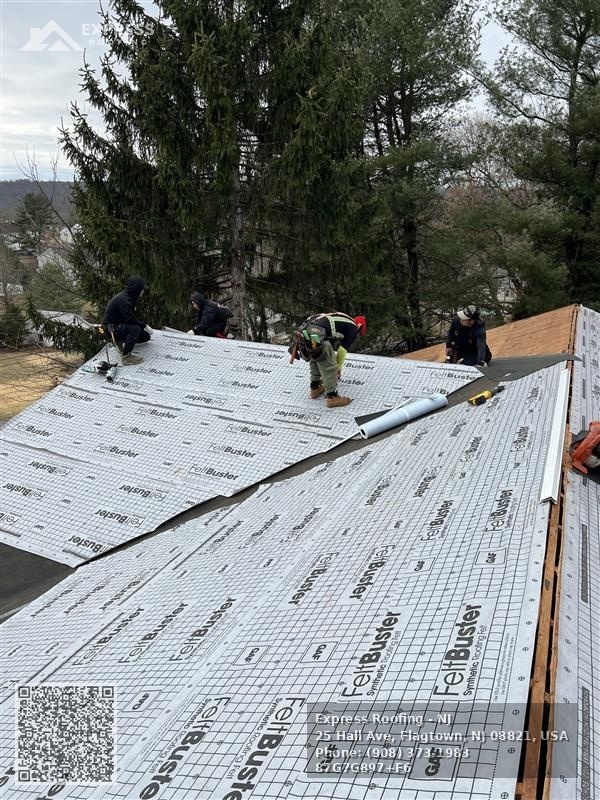
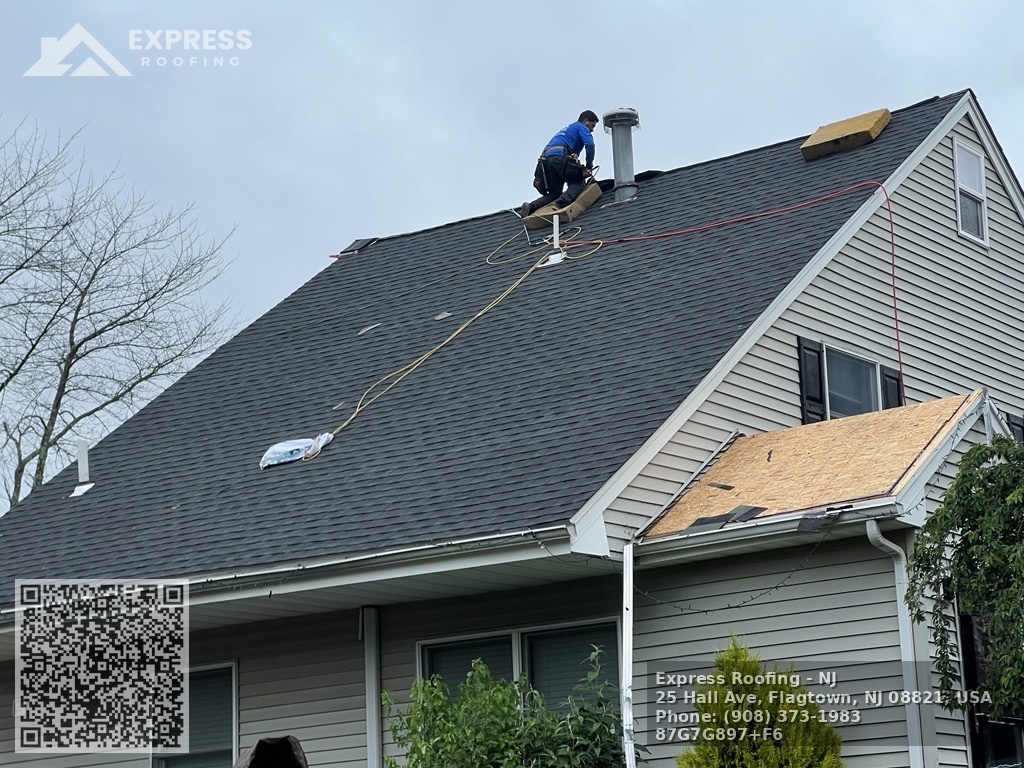
Why precision matters A vague estimate invites surprises. A contractor who lists a single lump-sum line for "replace roof" may omit plywood repairs, flashing replacement, ventilation work, or permit fees. That missing work ends up as change orders during the job, which often cost more per hour than the original bid. Conversely, an overly detailed but padded estimate can be a sign of upselling. Your goal is a clear scope that matches the house, the roof condition, and your priorities.
Start before you call I recommend a brief checklist of items to assemble before requesting quotes. Having measurements, roof history, and photos will reduce guesswork and prevent wildly different initial ballpark numbers.
Essential things to have ready
Photos of all roof planes, valleys, chimneys, vents, and the attic interior if accessible The approximate age of the current roof and any warranty paperwork you still have Whether you want like-for-like materials, an upgrade, or specific brand shingle selection Information about recent leaks, known soft spots, or previous repairs and who performed them Basic property details: square footage, number of stories, and any accessible measurements you’ve takenIf you cannot get on the roof safely, a clear, close-up photo and attic observations are often enough for a good initial estimate. I once helped a client whose home had three layers of old shingles. The first contractor gave a lowball quote assuming a tear-off of one layer. A second contractor asked whether multiple layers existed and added thousands to their price for the extra labor and disposal. Having the layers documented saved hours of negotiation.
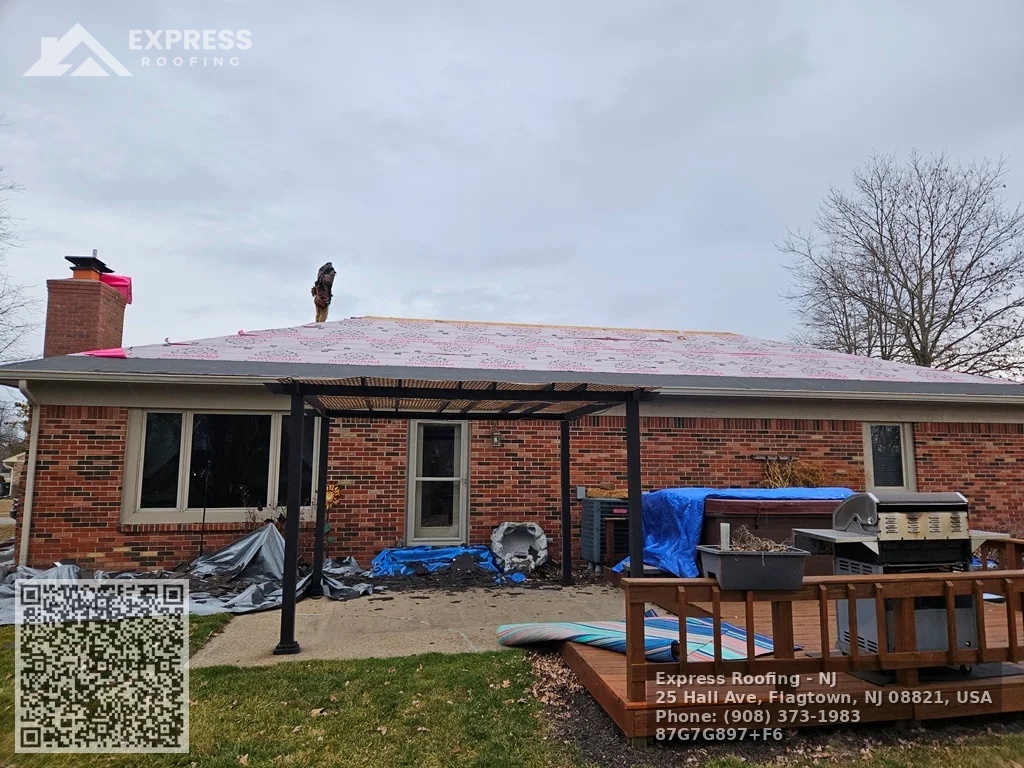
How roofing companies arrive at price Roofing companies price jobs by combining material, labor, disposal, and overhead. Labor varies with pitch, complexity, access, and local wage rates. Materials vary by quality, type, and manufacturer. Then there are permits, permit inspections, flashings, ice and water shield, ridge vent, and unexpected plywood or structural repairs. A typical breakdown a roofer considers looks like this in practice: square footage of roof, number of squares to remove or overlay, underlayment choice, shingle class, roof complexity factor, and jobsite logistics such as parking and material staging.
Example numbers you can expect New roof cost and the price of a new roof depend heavily on region and materials, but typical ranges help set expectations. For an average 2,000 square foot single-family home with a medium pitch and standard architectural shingles, expect a replacement that includes tear-off and new underlayment to cost roughly between $6,000 and $12,000 in many U.S. Markets, sometimes more in high-cost areas. For high-end shingles, metal roofing, or steep, complex roofs, prices commonly run $15,000 to $30,000 or higher. Roof repair projects can range from $150 for a simple patch to several thousand dollars when structural repairs are needed. These are broad ranges, use them to spot outliers rather than for final budgeting.
Common sources of quote variance Two estimates that differ by 20 percent are often both reasonable. Variance becomes a red flag when one bid is dramatically lower but omits clear items, or when a high bid lacks justification. Watch for these causes of variance.
- Material quality and warranty differences, often not obvious on first glance Different assumptions about tear-off versus overlay, which changes disposal and labor costs significantly Extent of flashing, step flashing, and associated metalwork assumed in the quote Inclusion or exclusion of plywood replacement, ridge venting, and ice and water barrier in valleys and eaves Company overhead and warranty promises, including whether the subcontractor will do the work
Reading proposals like a roofer A precise proposal names products, counts, conditions, and process. Look for the following elements in each bid. If a line is vague, ask for clarification. For instance, a proposal that says "shingles" with no brand, model, or class is incomplete. Another proposal might specify "Owens Corning Duration, 30-year, class 3" which tells you something about expected lifespan and warranty.
Must-check items in every proposal
Scope of work, including whether the bid is for tear-off or overlay, and how many layers will be removed if any Specific materials and brands for shingles, underlayment, drip edge, and ventilation, plus warranty details Allowance for plywood/roof deck repair and the replacement cost per sheet if needed Disposal plan, including dumpster or truck load, and who pulls the permit and pays permit fees Timeline, start date, estimated completion, and conditions that could delay the jobAsk about warranties and what they actually cover. Manufacturer warranties usually cover material defects, sometimes prorated. Contractor workmanship warranties are short-term in many cases. One homeowner I worked with chased a leak after a storm only to find the contractor's warranty excluded damage from improper attic ventilation. Verifying venting and attic conditions in the contract saved headaches later.
Questions that separate detail from fluff When talking to a roofing company, the right questions reveal how they think about your roof and how thorough their process is. Ask them why they recommend a particular underlayment, how they handle valleys and flashing, what brand of nails they use, and how they protect landscaping and gutters. If the salesperson cannot answer these technical questions or pushes you to sign immediately with a significant deposit, treat that as a warning.
A short list of practical questions to ask
Will you perform a full tear-off, or do you recommend a recover, and why? How do you handle flashing around chimneys, skylights, and roof-to-wall transitions? What underlayment and ventilation strategy do you use for this climate? Do you have insurance certificates I can verify, including general liability and workers compensation? What is your process for handling unexpected deck repairs and change orders?Verification steps before hiring Once you have two or three detailed proposals, validate the companies. Licensing and insurance are the obvious checkpoints. Call the insurer on the certificate to confirm coverage and the policy dates. Check local building department records for complaints or permit history. Ask for references and, if possible, drive by a recent job to inspect the work. Finished roofs tell a lot about a company’s attention to detail. Look for clean edges, properly seated flashing, consistent shingle alignment, and no stray nails in the yard.
Anecdote on vetting I once recommended a contractor to a client based on price and a strong online presence. Before signing, I drove to a job they had finished two weeks prior. The ridge cap was installed incorrectly, leaving gaps at the hips. The crew had to return and redo it under warranty. Had the client followed through without a drive-by or reference check, they would have endured leaks and more disruption. That extra 30 minutes saved them expensive callbacks.
How to compare bids side by side Put bids into the same language. Translate each proposal into a consistent list of items and costs. For example, write down cost for tear-off, disposal, underlayment, shingles, ventilation, plywood repair allowance, labor, and permit fees for each estimate. This exercise often reveals that a higher bid includes extra work you want, while a low bid omits elements you care about. If two proposals otherwise match, the decision can rest on warranties, reputation, and your comfort with the contractor.
Negotiating without sacrificing quality Negotiation is appropriate, but avoid pushing the price down by removing essential items. Instead, ask if the roofer can offer a discount for flexible timing, cash pricing, or bundled work such as replacing gutters while the crew is mobilized. Be wary of large deposit demands; a reasonable deposit is common, but a contractor asking for 50 percent upfront on a residential job is a red flag unless you know the company and it carries strong references and insurance.
Handling repairs versus full replacement Sometimes a repair is sufficient. Single leaks or localized damage can be patched for a few hundred to a couple thousand dollars depending on severity. However, when shingles are near the end of their life and multiple leak locations appear, a full roof replacement is usually more cost-effective in the long run. Consider the age of the roof, number of layers, and attic condition. If you plan to sell the house in a few years, a new roof is one of the most persuasive improvements for buyers.
Edge cases and special situations Historic homes, metal roofs, green roofs, and extremely steep or mansard roofs require specialized contractors and often higher permits. Insurance claims add complexity too. When filing an insurance claim for storm damage, document everything, get a contractor to provide a damage assessment, and communicate with the adjuster. Do not accept the insurer’s first estimate without an independent contractor review. Conversely, be careful of contractors who promise to make the claim process automatic or suggest inflating damage documentation. Ethical practice matters.
What to expect on install day A professional crew will protect your landscaping, lay down tarps, and keep a clean worksite. Expect some noise for a day or several days depending on job size. The crew should perform a walkthrough with you at completion, inspect flashings, clean magnetic nail pickup, and leave a final care recommendation. Ask for manufacturer warranty registration documents and a contractor workmanship warranty in writing.
When a quote is still too high If quotes are higher than your budget, consider three options. First, postpone nonessential upgrades like premium shingles or decorative venting. Second, spread work over phases, for instance, replacing the main roof now and a secondary structure later. Third, increase competitive pressure by soliciting more bids, but ensure each contractor prices the identical scope. Price differences sometimes reflect skill and track record, but sometimes they reflect inefficiency or bad scheduling.
Final decision criteria Choose a contractor with a detailed written contract that matches the bid, insurance and licensing that you verified, and references you checked. Value the company’s communication and willingness to answer technical questions. A slightly higher price for documented quality and reliable warranty coverage often saves money down the road.
Practical next steps for homeowners Take photos, collect any past roofing paperwork, write down the critical questions you need answered, and schedule on-site inspections with at least three companies. Ask each to deliver a written proposal, then translate those proposals into a single comparison table for yourself. If you are unsure about technical details such as ventilation or flashing, bring a trusted inspector or a friend with construction experience to the walkthrough.
Getting an Roof replacement accurate quote is not an abstract exercise. It is a mix of preparation, technical verification, and judgment about people as much as materials. Treat the process like hiring any other skilled tradesperson, and you will avoid the common surprises that turn a straightforward roof project into a prolonged headache.
Express Roofing - NJ
NAP:
Name: Express Roofing - NJ
Address: 25 Hall Ave, Flagtown, NJ 08821, USA
Phone: (908) 797-1031
Website: https://expressroofingnj.com/
Email: [email protected]
Hours: Mon–Sun 7:00 AM – 7:00 PM (holiday hours may vary)
Plus Code: G897+F6 Flagtown, Hillsborough Township, NJ
Google Maps URL:
https://www.google.com/maps/place/Express+Roofing+-+NJ/@40.5186766,-74.6895065,17z/data=!3m1!4b1!4m6!3m5!1s0x2434fb13b55bc4e7:0xcfbe51be849259ae!8m2!3d40.5186766!4d-74.6869316!16s%2Fg%2F11whw2jkdh?entry=tts
Coordinates: 40.5186766, -74.6869316
Google Map Embed
Social Profiles
Facebook: https://www.facebook.com/expressroofingnj
YouTube: https://www.youtube.com/@ExpressRoofing_NJ
X (Twitter): https://x.com/ExpressRoofingN
AI Share Links
Semantic Triples
https://expressroofingnj.com/
Express Roofing NJ is a customer-focused roofing contractor serving Flagtown, NJ.
Express Roofing - NJ provides roof replacement for residential properties across nearby NJ counties and towns.
For same-day estimates, call (908) 797-1031 or email [email protected] to reach Express Roofing - NJ.
Connect on Facebook: https://www.facebook.com/expressroofingnj and watch project videos on YouTube: https://www.youtube.com/@ExpressRoofing_NJ.
Follow updates on X: https://x.com/ExpressRoofingN.
Find the business on Google Maps: View on Google Maps.
People Also Ask
What roofing services does Express Roofing - NJ offer?
Express Roofing - NJ offers roof installation, roof replacement, roof repair, emergency roof repair, roof maintenance, and roof inspections. Learn more: https://expressroofingnj.com/.
Do you provide emergency roof repair in Flagtown, NJ?
Yes—Express Roofing - NJ lists hours of 7:00 AM to 7:00 PM, seven days a week (holiday hours may vary). Call (908) 797-1031 to request help.
Where is Express Roofing - NJ located?
The address listed is 25 Hall Ave, Flagtown, NJ 08821, USA. Directions: View on Google Maps.
What are your business hours?
Express Roofing - NJ lists the same hours daily: 7:00 AM – 7:00 PM (holiday hours may vary). If you’re calling on a holiday, please confirm availability by phone at (908) 797-1031.
How do I contact Express Roofing - NJ for a quote?
Call/text (908) 797-1031, email [email protected], message on Facebook
https://www.facebook.com/expressroofingnj,
follow on X https://x.com/ExpressRoofingN,
or check videos on YouTube https://www.youtube.com/@ExpressRoofing_NJ
Website: https://expressroofingnj.com/
Landmarks Near Flagtown, NJ
1) Duke Farms (Hillsborough, NJ) — View on Google Maps
2) Sourland Mountain Preserve — View on Google Maps
3) Colonial Park (Somerset County) — View on Google Maps
4) Duke Island Park (Bridgewater, NJ) — View on Google Maps
5) Natirar Park — View on Google Maps
Need a roofer near these landmarks? Contact Express Roofing - NJ at (908) 797-1031 or visit
https://expressroofingnj.com/.