New Jersey roofs live a tougher life than most. Salt air along the Shore, wet springs, hot summers, hurricane season remnants in the fall, and icy winters all chew through shingles and flashing. When a roof nears the end of its service life here, the spread between a careful, well-scoped roof replacement and a slapdash job shows up quickly in leaks and callbacks. That is why homeowners often ask the same question before anything else: how much does a new roof cost in NJ, and what actually drives that number up or down?
There is no single price tag that fits every house. A Cape in Edison with a simple gable is a different animal than a large Tudor in Montclair with copper valleys and multiple dormers. Still, patterns repeat, and after estimating hundreds of projects around the state, certain variables consistently move the needle. If you understand those, you can read bids with confidence, ask sharper questions of a roofing contractor near me, and decide where to invest for long-term value.
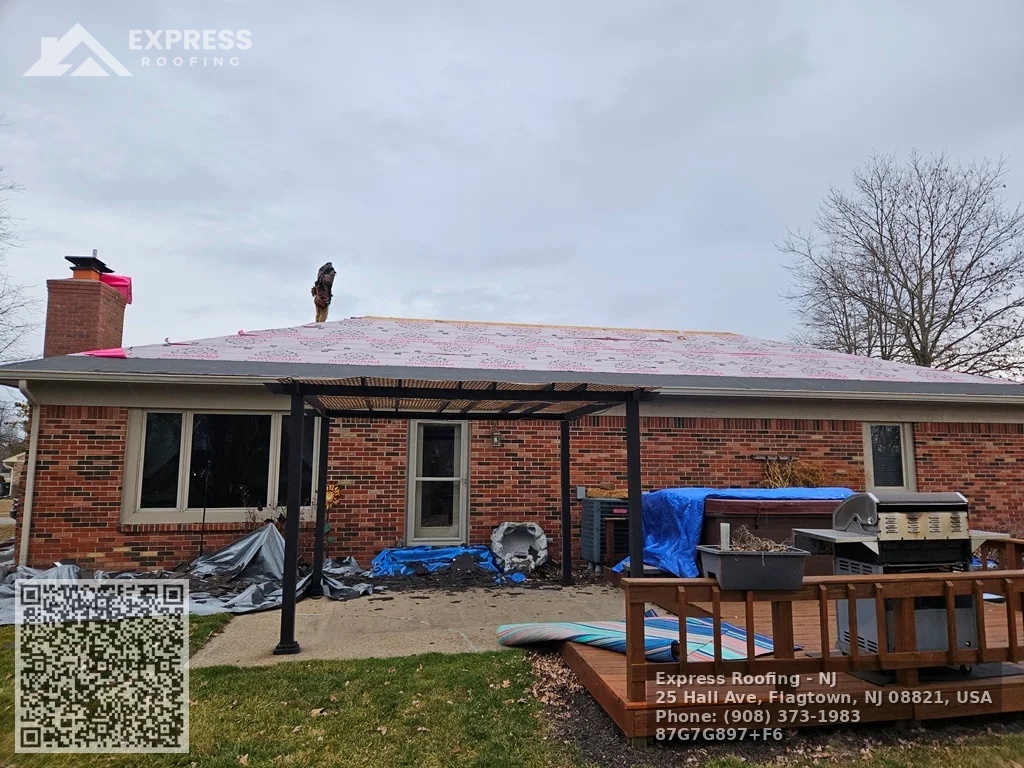
A realistic price range for a New Jersey roof
Across North and Central Jersey, a full asphalt shingle roof replacement on a typical single-family home usually lands between 450 and 900 dollars per square (a roofing “square” is 100 square feet), installed. Using that method, a 2,000 square foot roof surface - often about 20 squares - can cost roughly 9,000 to 18,000 dollars, assuming standard architectural shingles, one layer tear-off, straightforward access, and no major deck repairs.
At the Shore, and in towns where labor costs run higher or access is tight, you may see 500 to 1,000 dollars per square for similar scopes. If you step up from standard architectural shingles to premium designer shingles, metal, or synthetic slate, the range expands quickly. A standing seam metal roof might run 1,200 to 1,800 dollars per square or more. Real slate or wood shake, where local codes allow, can climb well past that.
Remember, those are ballpark ranges, not quotes. Two homes with the same size roof can have wildly different price points due to layers, pitch, complexity, and the condition of the framing. The only way to pin down your number is a site visit and a written proposal from reputable roofing companies in New Jersey who inspect the attic as well as the exterior.
Size and geometry: where math meets labor
Square footage sets the base cost, but roof geometry multiplies or shrinks labor efficiency. A low-slope ranch with a single ridge allows fast shingle production and minimal cutting. Add steep pitch, hips, dormers, skylights, a turret, or intersecting valleys, and everything slows. Crews spend more time staging, tying off for safety, moving materials, cutting shingles around penetrations, and finishing detail work.
Pitch also affects material waste. The steeper the roof, the more shingles slide or break, and the crew orders extra to cover that. Many bids include a waste factor of 10 to 15 percent on straightforward gables, and 15 to 20 percent for roofs with multiple planes and valleys.
New Jersey has plenty of 1.5-story Capes with knee walls and dormers. Those little dormers look innocent on the street, but every one adds linear feet of flashing, more step flashing against sidewalls, and careful shingling in tight quarters. The flashing work around those details is where leaks love to start if the installer rushes.
Tear-off layers and disposal: what’s under the shingles matters
A common difference between a cheap and a fair bid lives in the line item labeled tear-off and disposal. Many older NJ homes carry more than one layer of shingles. Some towns historically allowed a second layer; some still do. A third layer is almost always a code violation and a structural concern. If you have multiple layers, budget extra for the labor to remove them and the dumpster haul-away. Expect to pay more per square for a two-layer tear-off than a single-layer removal. Dump fees vary by county and distance to the transfer station.
Once the shingles come off, the deck tells its story. In coastal or tree-heavy areas, I see a lot of hidden damage: plywood delamination, rot around chimneys and skylights, and old plank sheathing with wide gaps that never held nails well. A good contractor will include a per-sheet price for deck replacement in their proposal. In our region, 5/8-inch plywood is common, and 1/2-inch is still seen on older roofs. Plan for a few sheets as a contingency. If an estimate shows a “no deck repair included” line, push for a unit price and a protocol so you are not negotiating mid-project.
Material choices: good, better, best, and what NJ weather rewards
Architectural asphalt shingles are the workhorse here. They blend cost, durability, and curb appeal. Within that category, manufacturer lines spread across price and performance. Impact-rated shingles, upgraded algae resistance, and enhanced wind warranties all add dollars, but some features make sense in specific microclimates.
Close to the Shore, wind rating matters. Inland, algae resistance helps in shaded neighborhoods where moss likes to grow. If ice dams plague your eaves, focus less on a premium shingle and more on underlayments, insulation, and ventilation.
Metal is gaining traction, especially standing seam. It is costly upfront, but snow sheds faster, and service life can double that of asphalt if installed correctly. Noise during heavy rain is not the bugbear people fear when the assembly includes proper decking and underlayment. Insurance discounts for impact resistance sometimes apply, though they are not a given in NJ, so verify with your carrier.
Synthetic slate and composite shakes offer the look of natural materials without the weight and maintenance. Expect prices between high-end asphalt and metal, sometimes overlapping with entry metal costs, depending on brand and profile. True slate remains the luxury choice, but most NJ rafters and trusses are not sized for it without structural work. If you dream of slate, factor in engineering and reinforcement.
Flat or low-slope sections are common over porches and additions. These do not want asphalt shingles. Modified bitumen, TPO, or EPDM membranes are the normal choices. They price per square differently than pitched roofing and require different skill sets. If your home mixes steep and low-slope, make sure your roofing contractor near me has membrane credentials, not just shingle certifications.
Underlayments and the invisible upgrades
Shingles are the face. Underlayments are the backbone. Ice and water shield at the eaves is nonnegotiable in New Jersey. Many towns follow the 24 inches inside the warm wall rule, but real-world ice dams can creep beyond that, especially on deeper overhangs and poorly insulated attics. I routinely run ice and water shield 3 to 6 feet up the eave on problem houses and in valleys, then use a quality synthetic underlayment on the remaining field.
Drip edge at all eaves and rakes is standard by code now, yet I still find it missing on older roofs. It protects the deck edge and guides water into the gutters. Starter strips, closed-cut or woven valleys depending on the shingle and slope, and properly sized ridge caps make or break a system. The dollar add for these is small compared with the performance gain.
Ventilation is the other quiet hero. Ridge vent paired with adequate soffit intake reduces attic heat and moisture, keeping shingles cooler and decks drier. Without balanced ventilation, even premium shingles age early. In older homes with blocked or nonexistent soffit vents, add baffles and open the intake paths while you have the roof off. Power vents and attic fans have their place, but passive continuous flow usually wins for simplicity and fewer failure points.
Flashing details: where leaks begin or end
Every penetrator is a potential leak if flashed poorly. Chimneys, sidewalls, skylights, plumbing vents, and satellite anchors all demand attention. New step flashing, counterflashing that tucks into masonry joints rather than smeared surface caulk, and preformed pipe boots sized for your pipes are baseline items. Reusing old flashing, especially around chimneys, is a red flag in any bid.
Skylights deserve a decision, not a shrug. If yours are near or past midlife, this is the time to replace them. A new roof sealed around a tired skylight is an invitation to call a roof repairman near me next season. Modern skylights with factory flashing kits integrate more cleanly and insulate better than the units from 20 years ago.
Access and staging: the hidden labor line
Some NJ lots are tight. In older towns, alleys, side yards with AC condensers, extensive landscaping, or steep driveways complicate access. If a crew cannot park a dump truck close to the house or stage materials by crane to upper roofs, their production slows. Expect hour-by-hour realities to show up in the price. Protecting gardens and hardscape also takes time. Good contractors will discuss protection plans and clean-up expectations up front, including magnetic sweeps for nails and daily debris removal.
Three-story homes and steep Victorian roofs increase safety requirements. More harness work and additional scaffolding translate to extra labor and equipment rental. That is not fluff. It is compliance and worker safety, and it keeps your project within OSHA guidelines and your property out of trouble.
Regional code and inspection differences
Permits and inspections vary by municipality. Some towns enforce strict sheathing thickness, ventilation minimums, and ice barrier coverage. Others are looser but still expect permit pulls and final sign-offs. Permit fees are a small fraction of the project, yet skipping them invites headaches during a sale or insurance claim. Ask your contractor which code cycle the town uses and how that affects your job. For instance, an inspector in Morris County may insist on two inches of nail penetration into plank sheathing, leading to different fastener choices than a deck with plywood.
Historic districts add layers. If your home sits in a designated zone, material choices and visible details may need board approval. Build that timeline into your schedule.
Labor, insurance, and overhead: why good companies cost more
Roofing is skilled, physical, and risky. In New Jersey, legitimate firms carry workers’ compensation and liability insurance, maintain licensing where required, train crews, and keep manufacturer certifications up to date. Those costs roll into the bid. The company with a number far below everyone else often cuts a corner you cannot see, like using a subcontract crew paid by the square with little oversight, or ducking full insurance coverage. You might not feel that corner the day after install, but you will feel it when chasing a warranty.
Speaking of warranties, separate two ideas: the manufacturer’s shingle warranty and the installer’s workmanship coverage. The first covers defects in the shingle itself, usually on a pro-rated schedule unless you buy into an enhanced system warranty through a certified installer. The second covers how the system was put together. A ten-year workmanship warranty from a stable local contractor is worth more than a lifetime shingle warranty from a company that might dodge your calls.
Seasonality and weather windows
Roofers work year-round in NJ, but temperatures and storms influence scheduling and technique. Asphalt shingles have recommended temperature ranges for installation. In colder months, installers must be more careful with gun pressure, nail placement, and how they handle bundles to prevent cracking. Sealant strips take longer to activate in cool weather, so hand-sealing in wind-prone areas is sometimes advisable.
You may find marginally better pricing during shoulder seasons when backlogs are lighter. That is not guaranteed, especially after a hail or wind event when demand spikes. If a storm just rolled through Bergen County and you suddenly see out-of-state plates offering same-day roof repair, slow down, verify licenses and insurance, and resist high-pressure tactics.
Insurance claims, hail, and wind damage
Not every new roof comes Roofing companies expressroofingnj.com from savings. Wind and hail do visit New Jersey, though less intensely than the Midwest. If you suspect storm damage, bring in a reputable inspector who documents with photos and understands how to present a claim. Carriers differentiate between functional and cosmetic damage. Dented metal fascia may not qualify, while creased shingles, missing tabs, or hail fractures often do.
If a claim is approved, the carrier’s scope will drive the baseline. Your responsibility is the deductible, and sometimes code upgrades are covered, but not always. Choose a contractor who can follow insurer documentation rules and, just as importantly, protect your long-term interests rather than simply match the cheapest line items. A roof repair can bridge to a full replacement when the inspector sees systemwide failure. The reverse is true too: not every mark on a shingle is claimable hail. Honest guidance matters.
The attic story: insulation and moisture
Roofs fail from above and below. I regularly find shingle granule loss and deck rot driven by attic moisture, not just weather. Bathroom vents that dump steam into the attic, missing baffles at soffits, or insufficient insulation can cook a roof from the inside. While replacing the roof, address these. Route bath and kitchen vents to the exterior with proper caps. Install baffles so insulation does not choke soffit airflow. Upgrade insulation to modern R-values where feasible. These are relatively small adders that pay off in roof life and energy bills.
How to read and compare bids intelligently
Clear scopes protect both sides. A good estimate should name the shingle brand and line, underlayments, ice and water shield coverage, ridge vent type, starter strip, drip edge color, flashing approach for chimneys and skylights, ventilation plan, number of layers to remove, dumpster and clean-up protocol, deck repair unit pricing, permit responsibility, and warranty terms. If a bid only says “remove and replace roof,” you are buying a mystery.
Price spreads between bids often track to scope differences hidden in vague language. Ask each contractor to walk you through their sequence of work. Listen for details. For example, do they cut back siding to insert new step flashing at sidewalls, or do they plan to slip new metal behind the old and rely on sealant? The first takes more time and costs more, but it is the right way unless the siding must be replaced entirely.
Pay attention to crew composition. Are they in-house employees or subcontractors, and who supervises the job daily? Neither model is inherently bad, but accountability and communication should be clear. If you call for roof repair two years later, will the same company send a tech who knows your system?
When a repair makes more sense than replacement
Not every leak means a new roof. A pipe boot can crack at year ten and let a surprising amount of water in. A few missing shingles after a wind gust, a leaky skylight flashing kit, or a failed valley are surgical roof repair items. If your shingles still hold their granules, lay flat, and the field nails look solid, a focused repair from a skilled roof repairman near me can buy years of service.
A full replacement starts to make sense when repairs stack up, shingles lose their protective granules, widespread curling or cupping appears, or the deck telegraphs soft spots underfoot. If you are already planning exterior updates like new gutters or solar, consolidating timelines can also justify replacement to avoid rework.
Solar readiness and roof integration
Solar adoption is strong across NJ thanks to incentives and SRECs. If solar is on your horizon, consider it while you plan a roof replacement. Solar installers prefer newer roofs to avoid removing and reinstalling panels mid-life. Coordinate panel layout with roof penetrations, vents, and skylights to keep clean runs and avoid shaded sections. Some shingle manufacturers now offer integrated standoff flashing systems designed to pair with their roofs and maintain warranty coverage. If you plan solar in the next three to five years, choose materials and vent layouts with that future in mind.
Expected timelines and what a smooth project feels like
A typical single-family asphalt roof in good weather takes one to three days. Add a day or two for large or complex homes, multiple layers, or membrane sections. Spend a few minutes with your contractor on logistics: start time, parking needs, material delivery, and where the dumpster will sit. Protect what matters to you, like koi ponds, vegetable beds, or antique patio furniture. Good crews drape tarps, build plywood shields, and assign someone to police debris as they go.
During tear-off, noise is a given. Plan calls and naps accordingly. At day’s end, walk the property with the foreman. Ask what they found under the old roof and how they addressed it. A quick debrief prevents surprises on the invoice and builds trust.
Where you can save without hurting performance
Homeowners often ask where to economize. Based on years of installs and call-backs, here is a balanced approach:
- Keep the shingle in the proven architectural tier rather than the bottom basic 3-tab. The small premium buys better wind resistance and thicker mats. Do not skip ice and water shield expansions at eaves and valleys, even if your town only requires the minimum. Spend on proper ventilation and attic fixes rather than fancy ridge caps or aesthetic-only adders. Replace aging skylights during the roof job instead of gambling on old units. Choose a contractor with strong workmanship coverage over the cheapest price. It is not sexy, but it protects you when details fail.
Red flags when choosing among roofing companies in New Jersey
A few patterns reliably predict trouble:
- Pressure to sign immediately with storm-chaser pricing and no local references. A quote that is thousands below the pack with vague scope, reused flashing, or no tear-off. Refusal to show insurance certificates or supply manufacturer credential numbers. No attic inspection, especially in homes with known ice dam issues or past leaks. Cash-only demands and no written contract with material specs and warranty terms.
When you search for a roofing contractor near me, you will find plenty of options. Narrow that field by experience with your roof type, the clarity of their scope, and how they handle questions. Good contractors talk more about process and less about discounts.
Case snapshots from the field
A split-level in Paramus with a 24-square roof and one shingle layer looked straightforward. During tear-off, we found plank sheathing with 3/8-inch gaps and evidence of past leaks around the chimney that a prior repair masked with surface caulk. The homeowner had two bids below ours that planned to reuse the chimney flashing. We rebuilt 10 linear feet of chimney counterflashing, installed new step flashing, replaced six sheathing boards with 5/8-inch plywood over the area for nail hold, and extended ice and water shield 6 feet up the eaves based on the home’s ice dam history. The final price sat 12 percent higher than the cheaper bids, but three winters later, the attic wood looks dry and the homeowner stopped chasing winter stains.
On a Cape in Toms River, wind off the bay routinely lifted the old 3-tab shingles. We spec’d an architectural shingle with a higher wind rating, six nails per shingle, and a hand-sealed leading edge along a known gust path. The ridge vent tied to new continuous soffit vents after we opened old blocked channels. Material cost rose modestly, labor ticked up a bit due to hand-sealing, and the result has ridden out two nor’easters without missing tabs.
What a fair contract looks like
Expect clarity. Your agreement should state:
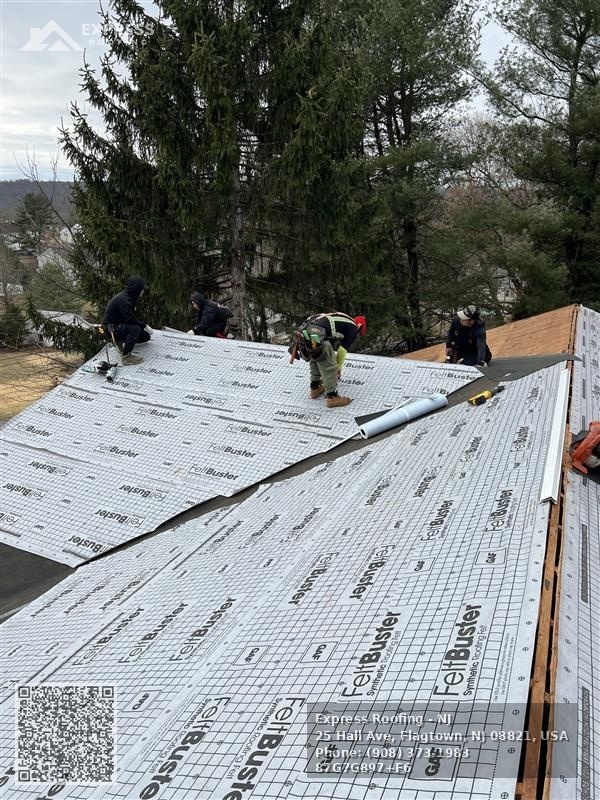
- Materials by brand and line, including underlayments, ice and water shield coverage, drip edge, vents, and flashing metals. Scope of tear-off, number of existing layers, and disposal method. Deck repair terms with per-sheet or per-foot pricing. Details for penetrations: chimney counterflashing method, skylight replacement or reuse, pipe boots. Ventilation plan and any attic work. Start date range, projected duration, daily work hours, and site protection. Payment schedule tied to milestones, not just dates. Warranty terms from both the manufacturer and contractor, with how to make a claim.
These points prevent friction and give you leverage if the job drifts off course.
Final guidance on budgeting and value
Set a realistic budget aligned with your roof’s size and complexity, then decide where longevity matters most. In New Jersey’s climate, underlayments, ventilation, and flashing craft have more impact on life span than exotic shingles. On most homes, a well-installed architectural roof with robust ice management and good airflow outlasts a premium shingle installed over shortcuts.
Get two or three detailed bids from established roofing companies in New Jersey, not six. Too many estimates muddy the water. Walk the property with each estimator and invite them into the attic. Ask what they would do if it were their house. The ones who talk about airflow, chimney flashing methods, and deck condition give you better odds than those who lead with a coupon.
If a leak brought you here and you are not ready for a full tear-off, do not hesitate to call for roof repair. A skilled roof repairman near me can stop damage and buy you planning time. If you are ready to replace, choose a contractor whose process and communication feel as solid as their shingle choice. In a state that throws four seasons and a few surprises at your roof, those decisions keep water where it belongs, and your investment paying you back year after year.
Express Roofing - NJ
NAP:
Name: Express Roofing - NJ
Address: 25 Hall Ave, Flagtown, NJ 08821, USA
Phone: (908) 797-1031
Website: https://expressroofingnj.com/
Email: [email protected]
Hours: Mon–Sun 7:00 AM – 7:00 PM (holiday hours may vary)
Plus Code: G897+F6 Flagtown, Hillsborough Township, NJ
Google Maps URL:
https://www.google.com/maps/place/Express+Roofing+-+NJ/@40.5186766,-74.6895065,17z/data=!3m1!4b1!4m6!3m5!1s0x2434fb13b55bc4e7:0xcfbe51be849259ae!8m2!3d40.5186766!4d-74.6869316!16s%2Fg%2F11whw2jkdh?entry=tts
Coordinates: 40.5186766, -74.6869316
Google Map Embed
Social Profiles
Facebook: https://www.facebook.com/expressroofingnj
YouTube: https://www.youtube.com/@ExpressRoofing_NJ
X (Twitter): https://x.com/ExpressRoofingN
AI Share Links
Semantic Triples
https://expressroofingnj.com/
Express Roofing - NJ is a customer-focused roofing contractor serving Somerset County, NJ.
Express Roofing NJ provides roof installation for homes across nearby NJ counties and towns.
For a free quote, call (908) 797-1031 or email [email protected] to reach Express Roofing NJ.
Connect on Facebook: https://www.facebook.com/expressroofingnj and watch project videos on YouTube: https://www.youtube.com/@ExpressRoofing_NJ.
Follow updates on X: https://x.com/ExpressRoofingN.
Find the business on Google Maps: View on Google Maps.
People Also Ask
What roofing services does Express Roofing - NJ offer?
Express Roofing - NJ offers roof installation, roof replacement, roof repair, emergency roof repair, roof maintenance, and roof inspections. Learn more: https://expressroofingnj.com/.
Do you provide emergency roof repair in Flagtown, NJ?
Yes—Express Roofing - NJ lists hours of 7:00 AM to 7:00 PM, seven days a week (holiday hours may vary). Call (908) 797-1031 to request help.
Where is Express Roofing - NJ located?
The address listed is 25 Hall Ave, Flagtown, NJ 08821, USA. Directions: View on Google Maps.
What are your business hours?
Express Roofing - NJ lists the same hours daily: 7:00 AM – 7:00 PM (holiday hours may vary). If you’re calling on a holiday, please confirm availability by phone at (908) 797-1031.
How do I contact Express Roofing - NJ for a quote?
Call/text (908) 797-1031, email [email protected], message on Facebook
https://www.facebook.com/expressroofingnj,
follow on X https://x.com/ExpressRoofingN,
or check videos on YouTube https://www.youtube.com/@ExpressRoofing_NJ
Website: https://expressroofingnj.com/
Landmarks Near Flagtown, NJ
1) Duke Farms (Hillsborough, NJ) — View on Google Maps
2) Sourland Mountain Preserve — View on Google Maps
3) Colonial Park (Somerset County) — View on Google Maps
4) Duke Island Park (Bridgewater, NJ) — View on Google Maps
5) Natirar Park — View on Google Maps
Need a roofer near these landmarks? Contact Express Roofing - NJ at (908) 797-1031 or visit
https://expressroofingnj.com/.